✦ADHD
ADHD (Attention Deficit Hyperactivity Disorder) is a condition that affects how a person thinks, focuses, and controls their behavior. It is most commonly diagnosed in childhood, though symptoms often continue into adulthood. ADHD can also be diagnosed in adulthood.
✦Anger Management
On one level, anger management involves techniques that help you control your temper and remain calm in triggering situations. On a deeper level, it is a way to understand that anger is a normal part of life but that you need to deploy it more constructively and effectively.
✦Anxiety
People with Generalized Anxiety Disorder (GAD) experience excessive worry and have a higher level of baseline anxiety. They commonly worry about multiple areas in their life such as work, health, family, and money.
✦Autism
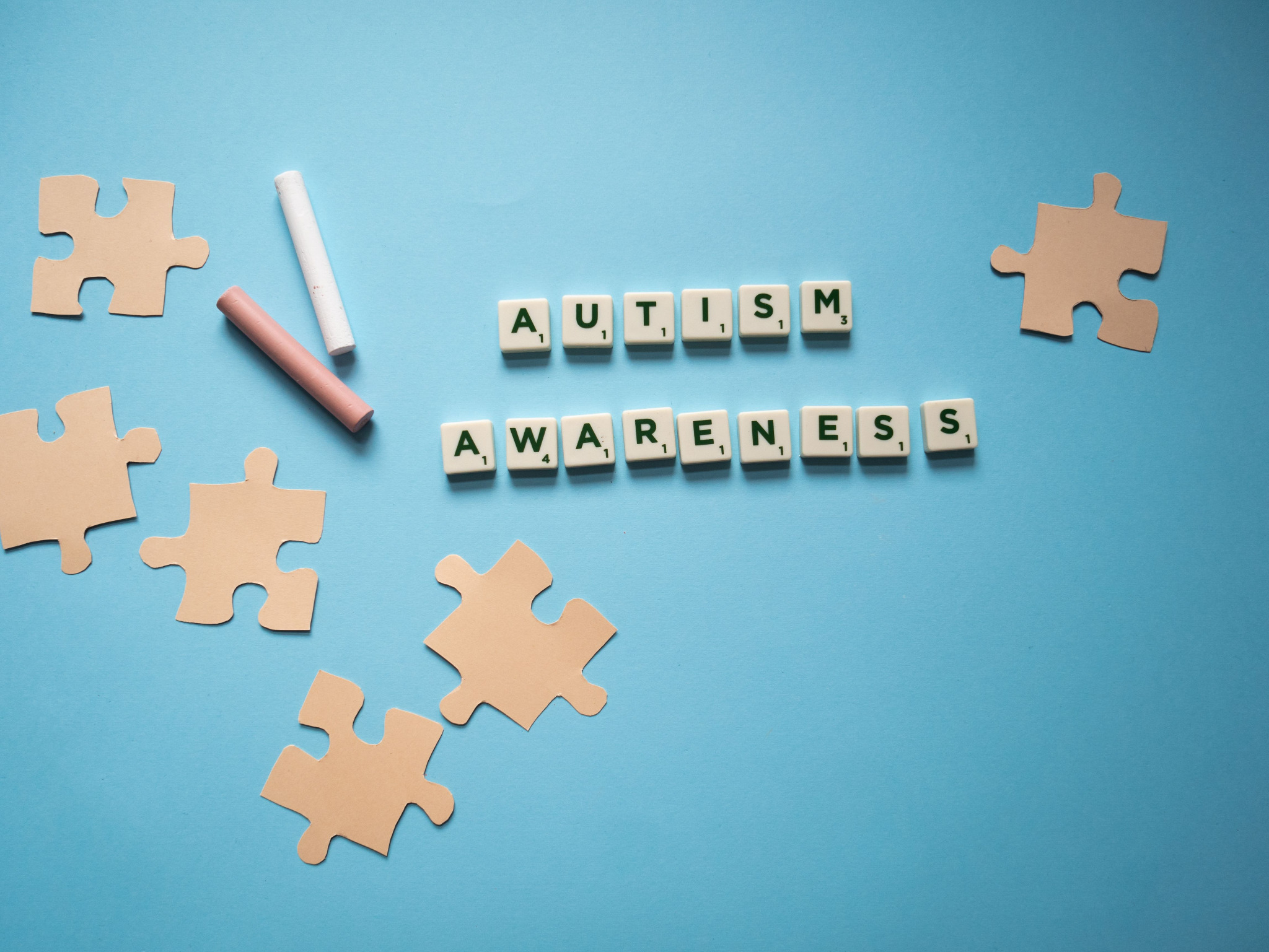
Autism spectrum disorder is a neurological and developmental disorder that affects how people interact with others, communicate, learn, and behave. Although autism can be diagnosed at any age, it is described as a "developmental disorder" because symptoms generally appear in the first two years of life.
✦Bipolar Disorder
Bipolar disorder might be more stigmatized than any other mental health disorder. The term is also used incorrectly by many and by the media, leading people to think that someone who simply changes mood quickly is "bipolar." These misconceptions can make life for those with the disorder difficult and even prevent some from getting the help they need.
✦Borderline Personality (BPD)
Personality disorders are mental illnesses that affect a patient's ability to form and keep interpersonal relationships, adapt to the changing demands of life, and use healthy behavior patterns. People with disordered personalities often feel as though their behaviors are "normal," but they struggle with their rigid worldviews and social difficulties.
✦Depression
Depression is a mood disorder in which someone experiences such low moods that it interferes with their daily life. The condition not only affects a patient's moods, but a person with depression may also think and act differently than they used to.
✦Eating Disorders
Disordered Eating describes a variety of abnormal eating behaviors such as restrictive eating, fasting, compulsive overeating, excessive exercising, or irregular or rigid eating patterns that can be harmful to you both physically and psychologically.
✦Gambling
Gambling addiction, also known as pathological gambling or gambling disorder, is a mental health condition characterized by a persistent and compulsive urge to gamble despite negative consequences.
✦Grief
The normal response to a major loss, such as the death of a loved one. Grief may also be felt by a person with a serious, long-term illness or with a terminal illness. It may include feelings of great sadness, anger, guilt, and despair.
✦Hoarding
Hoarding disorder is a mental health condition in which a person feels a strong need to save a large number of items, whether they have monetary value or not, and experiences significant distress when attempting to get rid of the items. The hoarding impairs their daily life.
✦Impulse Control Disorders
Impulse control disorders (ICDs) are mental health conditions that make it hard to control impulsive urges. These urges can lead to harmful behaviors that violate the rights of others or conflict with the law.
✦LGBTQIA+
People in this community experience high rates of certain mental health conditions, including anxiety disorders, traumatic disorders, and depression. Discrimination in various settings is a major contributor to this problem. The antidote is for people in the LGBTQIA+ community to have safe, inclusive spaces and supportive people in their lives.
✦Mood Disorders
Mood Disorders represent a category of mental health conditions characterized by persistent disruptions in a person's emotional state. Unlike normal mood swings (ebb and flow of emotions), which are temporary and often react to external stimuli, Mood Disorders extend beyond regular fluctuations, involve prolonged and intense emotional disturbances that impact daily life.
✦Obsessive-Compulsive (OCD)
Obsessive-Compulsive Disorder (OCD) is a mental health condition that causes affected individuals to fixate on specific unwanted fears that are excessive and unrealistic. These symptoms significantly interfere with the individual's quality of life and ability to engage in regular, daily tasks.
✦Personality Disorders
Personality disorders are mental illnesses that affect a patient's ability to form and keep interpersonal relationships, adapt to the changing demands of life, and use healthy behavior patterns. People with disordered personalities often feel as though their behaviors are "normal," but they struggle with their rigid worldviews and social difficulties.
✦Pregnancy, Prenatal, Postpartum
Postpartum depression refers to depression occurring after childbirth. This form of depression is a serious but treatable medical illness that involves feelings of extreme sadness, indifference, guilt, and anxiety that often brings significant changes in energy, sleep, and thought patterns. The exact cause of postpartum depression is not known but it is believed to be linked to physical, chemical/hormonal, social, and emotional changes that happen when having a baby. The good news is that postpartum depression can be treated with medication and counseling, and relief may be possible.
✦Stress
Like anger, stress is a normal part of even the healthiest person. It can, however, become so intense that it interferes with someone's quality of life. Patients with an unhealthy amount of stress need to learn coping mechanisms via an intervention commonly referred to as "stress management".
✦Trauma and PTSD
Post-traumatic stress disorder (PTSD) is a mental health condition that people sometimes develop in response to a traumatic event. PTSD has been known by many names in the past, such as "shell shock" or "combat fatigue" but PTSD can affect people who are not combat veterans. It can occur in all people, of any ethnicity, nationality, or culture.
✦Women's Issues
People who were assigned female at birth can experience specific mental health challenges that other people do not experience. Specifically, hormonal shifts can cause mental health issues around pregnancy, periods, and menopause.
No matching services found. Try a different search term.